
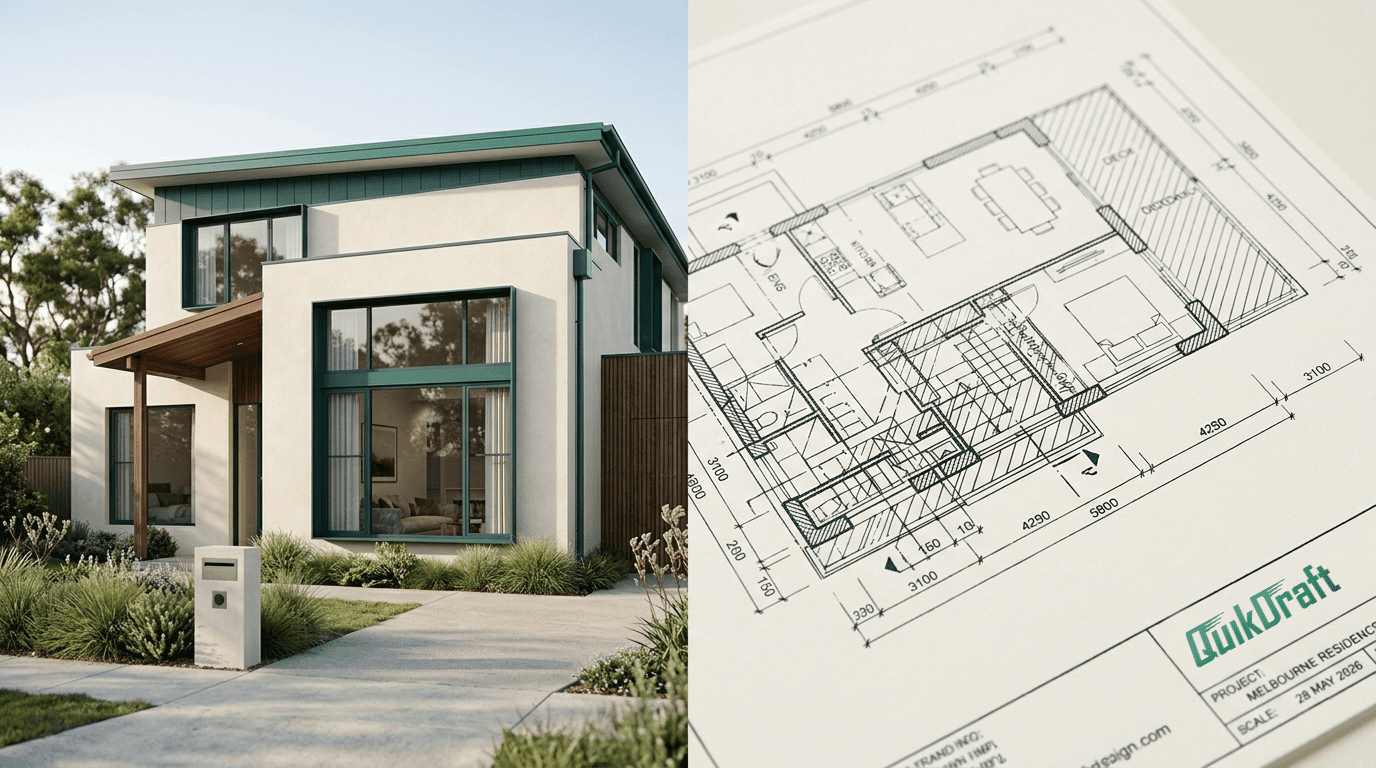
You have a vision for your home renovation — maybe a new extension, a second storey, or a complete kitchen overhaul. But before the first wall comes down, there is a critical question most homeowners overlook: do you actually need architectural drawings to get started?
Why Architectural Drawings Matter Beyond Just 'Plans'
Architectural drawings are not simply pretty pictures of your finished home. They are legal documents that communicate the full scope and technical detail of your project to your local council, your builder, and any certifiers or engineers involved. Without them, most significant works simply cannot proceed.
In Australia, building regulations are governed at the state and territory level, but the fundamental requirement is consistent: any work that is not classified as minor or exempt development will require council-approved plans before a building permit is issued.
When Are Architectural Drawings Legally Required?
As a general rule, you will need formal architectural drawings for any of the following:
New home construction (custom builds and knockdown rebuilds)
Residential extensions and additions (ground floor or upper storey)
Structural alterations — removing or adding load-bearing walls
Garage, carport, or shed constructions above certain size thresholds
Swimming pool and spa installations (in conjunction with engineering)
Secondary dwellings (granny flats, studios, or dual occupancies)
Major internal renovations that affect structural elements or fire separation
Change of use for an existing structure
Minor cosmetic works — such as repainting, replacing like-for-like fixtures, or installing new flooring — generally do not require drawings or a permit. However, if you are unsure, it is always worth checking with your local council before you begin.
What Happens If You Skip the Drawings?
Building without required permits and approved drawings can have serious and costly consequences. Councils have the authority to issue stop-work orders, require you to demolish unapproved structures, and impose fines. More significantly, unapproved works can affect your property's value, your ability to sell, and your home insurance coverage.
When you eventually try to sell, a solicitor's conveyancing check will flag any structures that are not on council records. Buyers and their lenders may request a Section 10.7 certificate (formerly Section 149) which will reveal any unapproved works — turning what felt like a shortcut into a very expensive problem.
How QuikDraft Simplifies the Process
Getting your drawings done correctly and quickly does not have to be complicated. QuikDraft specialises in preparing professional architectural drawings for residential projects — from small renovations through to full custom builds — specifically designed to meet council and building permit requirements.
Our streamlined process means you get accurate, compliant drawings faster than the traditional route, so your project can move forward without unnecessary delays.
Key Takeaways
Most structural and significant renovation work legally requires architectural drawings
Drawings are required before a building permit can be issued
Skipping this step risks stop-work orders, fines, and complications when selling
Working with a specialist like QuikDraft ensures your drawings meet all council requirements


